
Hard water can quickly leave shower glass looking cloudy, dull, and difficult to clean. The white spots and streaks are usually caused by mineral deposits that remain behind after water evaporates.
Learning az remodels full guide on how to remove hard water stains from shower glass can help restore the appearance of the glass and prevent new buildup from returning quickly.
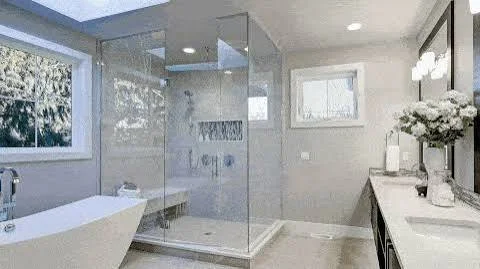
What Causes Hard Water Stains on Shower Glass?
Hard water contains dissolved minerals such as calcium and magnesium. When water droplets dry on the glass, these minerals remain behind.
Over time, repeated exposure can create:
- White mineral deposits
- Calcium buildup
- Limescale
- Cloudy glass
- Water spots
- Difficult-to-remove residue
Fresh deposits are usually easier to remove than older buildup.
Start With White Vinegar
White vinegar is one of the simplest options for treating mineral deposits.
Mix equal parts white vinegar and water in a spray bottle. Apply the solution to the affected glass and allow it to sit for several minutes.
Then wipe the surface with a soft microfiber cloth and rinse thoroughly.
For heavier buildup, slightly stronger cleaning methods may be necessary.
Try a Commercial Limescale Cleaner
If vinegar doesn’t remove stubborn mineral deposits, a commercial shower glass cleaner designed for calcium and limescale can be more effective.
Products such as CLR are commonly used for mineral buildup, but always check the manufacturer’s instructions and confirm that the product is suitable for your specific glass and surrounding materials.
Never mix different cleaning chemicals together.
What About Bar Keepers Friend?
Bar Keepers Friend can be useful for certain mineral stains, but abrasive products should be used carefully on shower glass.
Always follow the product instructions and test an inconspicuous area first. Avoid aggressive scrubbing that could damage surrounding finishes or hardware.
When Hard Water Has Etched the Glass
Not every stain is simply sitting on the surface.
Years of mineral exposure can sometimes cause etching on glass, creating a permanent-looking cloudy appearance. In these cases, ordinary vinegar or household cleaners may not completely restore the glass.
The longer mineral deposits remain untreated, the greater the chance that the glass will require professional restoration or replacement.
Can Rain-X Help Prevent Future Stains?
After cleaning the glass, a suitable shower glass treatment can help reduce future mineral buildup.
Products such as Rain-X are designed to create a water-repellent surface that encourages water to bead and run off rather than remaining on the glass.
Always verify that the specific product is appropriate for shower glass before applying it.
Make a Squeegee Part of Your Routine
One of the simplest ways to prevent hard water stains is to remove water from the glass after every shower.
Keep a squeegee inside the shower and quickly wipe the glass after use.
This reduces the amount of water left behind and therefore reduces the minerals available to form new deposits.
A few seconds of maintenance can make a noticeable difference over time.
Consider a Water Softener
If hard water is affecting multiple areas of your home, the problem may not be limited to the shower.
A water softener can reduce the concentration of certain minerals in the home’s water supply.
Signs that hard water may be a broader household issue include:
- Scale around faucets
- White spots on fixtures
- Mineral deposits on sinks
- Frequent buildup inside appliances
- Dry-feeling water after washing
Addressing the water supply can help reduce mineral buildup throughout the home.
How to Maintain Clean Shower Glass
Once the glass has been cleaned, prevention is easier than repeatedly removing heavy buildup.
A simple maintenance routine includes:
- Squeegee the glass after each shower.
- Wipe away visible water spots.
- Clean the glass regularly.
- Address mineral deposits early.
- Use an appropriate shower glass treatment.
- Avoid harsh abrasive cleaning methods.
When Cleaning Isn’t Enough
If shower glass remains permanently cloudy after removing mineral deposits, the surface may have developed etching.
At that point, homeowners may need professional glass restoration or replacement rather than another round of household cleaning.
Replacing outdated or heavily damaged shower glass can also be part of a larger bathroom upgrade, particularly when the existing enclosure no longer matches the bathroom’s design.
Final Thoughts
Removing hard water stains from shower glass is easiest when mineral deposits are treated before they become severe. White vinegar can work well for light buildup, while appropriate commercial cleaners may help with tougher calcium and limescale deposits.
For long-term results, regular squeegee use and appropriate shower glass treatments can help prevent new buildup. If the glass has already developed permanent etching, professional restoration or replacement may be the better solution.