
Dirty grout can make an otherwise clean bathroom look old and neglected. Over time, moisture, soap residue, mold, mildew, and everyday foot traffic can cause grout lines to become stained and discolored. Fortunately, learning how to clean grout lines easily does not require hours of scrubbing or expensive professional services.
With the right grout cleaning methods and products, you can restore the appearance of your tile and brighten grout lines with minimal effort.
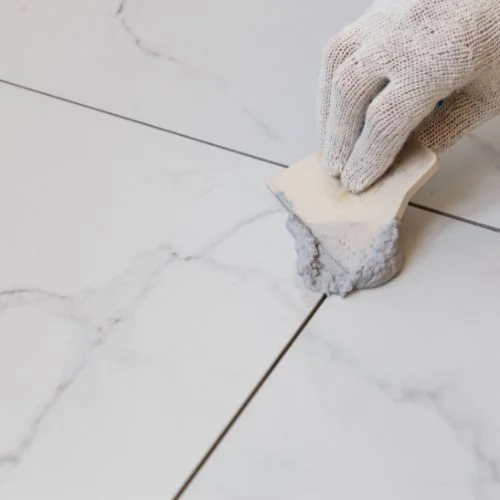
Why Grout Gets Dirty So Quickly
Most grout is naturally porous, meaning it absorbs moisture, dirt, and cleaning residues over time. Bathroom floor grout and shower grout are especially vulnerable because they are constantly exposed to water, soap scum, and humidity.
Common causes of grout discoloration include:
- Mold and mildew growth
- Soap residue
- Hard water deposits
- Dirt buildup
- Moisture penetration
- Lack of grout sealer protection
Understanding the source of the staining can help you choose the most effective cleaning method.
Method 1: Baking Soda and Hydrogen Peroxide
One of the easiest and most effective ways to clean grout lines is with a simple homemade solution.
What You’ll Need
- Baking soda
- Hydrogen peroxide
- Small bowl
- Soft grout brush
Instructions
- Mix baking soda and hydrogen peroxide into a thick paste.
- Apply the paste directly to the grout lines.
- Allow it to sit for 10 to 15 minutes.
- Lightly scrub with a grout brush.
- Rinse with warm water.
This method works well for whitening grout and removing mild stains without using harsh chemicals.
Method 2: Oxygen Bleach for Deep Cleaning
For heavily stained grout, oxygen bleach products such as OxiClean can provide excellent results.
Steps
- Dissolve oxygen bleach according to the product instructions.
- Apply the solution to the grout.
- Let it sit for 15 to 30 minutes.
- Gently agitate the area with a grout brush if necessary.
- Rinse thoroughly.
Oxygen bleach helps break down stains and organic buildup while being safer for tile surfaces than some stronger chemical cleaners.
Method 3: Use a Quality Grout Cleaner
Commercial products such as Zep Grout Cleaner are specifically designed for grout stain removal.
These cleaners can be especially effective when dealing with:
- Bathroom floor grout
- Shower grout mold
- Mildew stains
- Deep discoloration
Always follow the manufacturer’s directions and test the product in a small area first.
Method 4: Steam Cleaning
A steam cleaner or steam mop can be one of the easiest ways to clean grout lines without extensive scrubbing.
High temperature steam helps loosen:
- Dirt
- Soap scum
- Mold
- Mildew
- Grime buildup
Because steam penetrates porous grout, it can often clean areas that are difficult to reach with traditional brushes.
Natural Grout Cleaning Solutions
Many homeowners prefer a natural grout cleaner rather than chemical products.
Popular options include:
- Baking soda paste
- Hydrogen peroxide
- White vinegar (for certain tile types)
- Oxygen bleach
These methods can effectively clean grout while reducing exposure to strong cleaning agents.
How to Remove Mold and Mildew From Shower Grout
Shower grout mold is a common problem in bathrooms with poor ventilation.
To remove mold and mildew:
- Apply hydrogen peroxide directly to affected grout lines.
- Allow it to sit for several minutes.
- Gently clean the area with a grout brush.
- Rinse thoroughly.
- Improve ventilation to prevent future growth.
Addressing moisture problems is often just as important as cleaning the grout itself.
Protect Grout After Cleaning
Once the grout is clean, applying a grout sealer can help prevent future staining.
Benefits of sealing grout include:
- Improved stain resistance
- Reduced moisture absorption
- Easier maintenance
- Longer lasting grout appearance
Sealed grout stays cleaner longer and requires less intensive maintenance.
Tips for Easier Grout Maintenance
To keep grout looking clean:
- Wipe down shower surfaces regularly
- Improve bathroom ventilation
- Address mold and mildew early
- Use gentle tile cleaning products
- Reseal grout as recommended
- Clean spills and soap residue promptly
Regular maintenance helps prevent deep stains from developing.
Final Thoughts
If you’re wondering how to clean grout lines easily, the key is choosing methods that loosen stains instead of relying on excessive scrubbing. Whether you use a baking soda paste, hydrogen peroxide, oxygen bleach, a steam cleaner, or a specialized grout cleaner, there are several effective ways to restore grout and improve the appearance of your bathroom.
With proper cleaning and the protection of a quality grout sealer, you can keep grout lines brighter, cleaner, and easier to maintain for years to come.
Frequently Asked Questions: How to Clean Grout Lines Easily
What is the best no-scrub solution for dirty tile grout lines?
A paste of baking soda, 3% hydrogen peroxide, and a teaspoon of liquid dish soap is the most effective no-scrub cleaner. Baking soda gently lifts surface grime, soap cuts body oils and grease, and hydrogen peroxide releases active oxygen bubbles that penetrate deep into grout pores. Let the mixture sit for 15 minutes to dissolve stains, then wipe away with a warm damp cloth.
Is oxygen bleach better than chlorine bleach for cleaning grout?
Yes, powdered oxygen bleach (sodium percarbonate) is vastly superior and safer. Liquid chlorine bleach degrades Portland cement binders over time, strips protective sealants, and releases toxic fumes. Oxygen bleach dissolves in hot water to release thousands of oxygen micro-bubbles that break down organic pigments and mildew without degrading the cement structure or bleaching out colored grout.
Can steam cleaners really clean grout without chemicals?
Yes. Commercial and residential steam machines produce pressurized vapor at over 200°F (93°C). The extreme thermal energy instantly breaks the bonds of stubborn soap scum, sanitizes bacteria, and liquefies greasy residues deep inside grout pores. Once blasted with the steam nozzle, dirt is simply wiped away with a microfiber towel without any chemical exposure.
Why should you avoid using vinegar or acidic cleaners on cement grout?
Cement-based grout is alkaline. Acidic solutions like white vinegar, lemon juice, or muriatic acid trigger a chemical reaction that etches and dissolves the calcium carbonate and Portland cement matrix. Over time, repetitive acid exposure erodes grout joints, leaving them chalky, pitted, brittle, and more prone to deep staining and water penetration.
How long after deep cleaning should I apply a grout sealer?
Allow the tile and grout to dry completely for at least 24 to 48 hours before applying a penetrating fluoropolymer grout sealer. Applying sealant over damp grout traps moisture inside the pores, which causes unsightly cloudy white efflorescence and prevents the sealer from forming a protective hydrophobic barrier against future stains.