
Water damage often starts where homeowners cannot see it. A small bathroom leak hidden behind tile or drywall can gradually cause significant damage before obvious symptoms appear. Understanding the signs of water damage behind a bathroom wall can help you identify problems early, prevent costly repairs, and protect your home from mold growth and structural issues.
Whether the source is a leaking shower, failed waterproofing, or a silent leak inside the wall, recognizing these warning signs is essential.
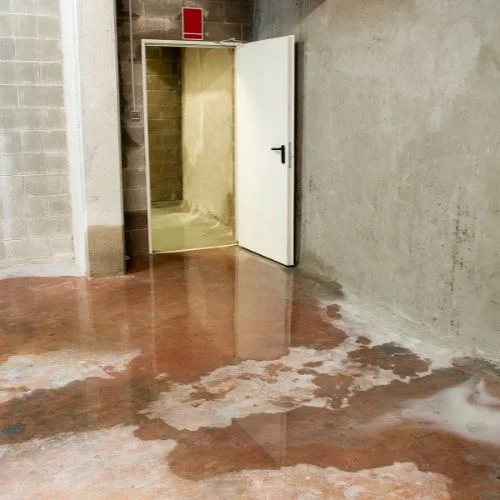
Wall Discoloration and Water Stains
One of the most common indicators of hidden water damage is wall discoloration. Yellow, brown, or dark stains often appear when moisture accumulates behind drywall. These water stains may start small but typically expand as the leak continues.
If you notice unexplained discoloration near a shower, bathtub, or plumbing fixture, it may be time for a thorough bathroom inspection.
Peeling Paint or Bubbling Surfaces
Excess moisture can weaken paint adhesion and cause visible damage to finished surfaces. Paint may begin peeling, bubbling, or cracking as water becomes trapped behind the wall.
This issue is especially common around showers and tubs where failed waterproofing systems allow moisture to penetrate behind the tile installation.
Soft or Damaged Drywall
Drywall is highly susceptible to water damage. If a section of wall feels soft, spongy, or unusually weak when touched, moisture may have already compromised the material.
In severe situations, drywall may crumble, warp, or develop visible swelling. Prompt action can help prevent further deterioration and avoid larger repair costs.
Persistent Musty Odors
A musty smell in a bathroom often indicates hidden moisture problems. Mold and mildew thrive in damp environments, particularly inside wall cavities where airflow is limited.
Even if no visible mold is present, a persistent musty smell bathroom homeowners notice regularly should never be ignored. It may signal mold behind tile, water trapped inside walls, or an ongoing leak.
Mold and Mildew Growth
Visible mold growth is one of the clearest signs of moisture intrusion. Mold may appear around grout lines, caulk joints, baseboards, or nearby walls.
In some cases, mold behind tile develops due to moisture penetrating through cracked grout, damaged caulk, or failed waterproofing membranes. If mold repeatedly returns after cleaning, a hidden moisture source may be present.
Hollow Sound Behind Tile
Tiles should feel firmly attached to the wall. If tapping on a tiled shower wall produces a hollow sound, moisture may have weakened the bond between the tile and substrate.
This condition can occur when water damages cement board, tile adhesive, or underlying waterproofing systems. Evaluate hollow-sounding tile before more extensive damage develops.
Failed Waterproofing Systems
Modern shower installations rely on waterproofing membranes and properly constructed shower pans to prevent water infiltration. When these systems fail, moisture can migrate into surrounding walls and structural components.
Signs of failed waterproofing may include:
- Persistent mold growth
- Loose tile
- Recurring grout cracks
- Water stains outside the shower area
- Soft drywall adjacent to tiled walls
Hidden Plumbing Leaks
Not all water damage originates from the shower itself. Pipes concealed within bathroom walls can develop slow leaks that remain unnoticed for months.
A silent leak may cause:
- Increased water bills
- Damp drywall
- Mold growth
- Structural damage
- Wood rot
Using a moisture meter can help detect elevated moisture levels behind finished surfaces without opening the wall.
Structural Damage Risks
When water damage remains untreated, it can eventually affect structural components within the wall. Wood framing may weaken, subfloors can deteriorate, and extensive repairs may become necessary.
Early detection is the best way to minimize repair costs and preserve the integrity of your home.
When to Schedule a Bathroom Inspection
If you notice any of the warning signs above, a professional bathroom inspection may be worthwhile. Home inspectors and water damage specialists often use moisture meters, thermal imaging equipment, and visual assessments to identify hidden leaks and moisture problems.
Early diagnosis can prevent larger repairs and may also simplify an insurance claim if covered damage is discovered.
Final Thoughts
The signs of water damage behind a bathroom wall are often subtle at first but can quickly develop into serious issues if ignored. Wall discoloration, peeling paint, soft drywall, musty odors, mold growth, and hollow sounding tile are all indicators that moisture may be present behind finished surfaces.
By addressing bathroom leaks, failed waterproofing, and hidden moisture problems early, homeowners can avoid costly repairs, reduce the risk of mold, and protect their home’s structure for years to come.