
Proper waterproofing is one of the most important steps in a shower installation. While tile and grout provide an attractive finish, they are not completely waterproof. Without a reliable waterproofing system beneath the tile, moisture can penetrate walls and floors, leading to mold growth, water damage, and costly repairs.
If you’re wondering about the best waterproofing for shower before tiling, the answer depends on the shower design, substrate, and installation method. Understanding the available waterproofing options can help ensure a long-lasting and leak-free shower.
Why Waterproofing Matters Before Tiling
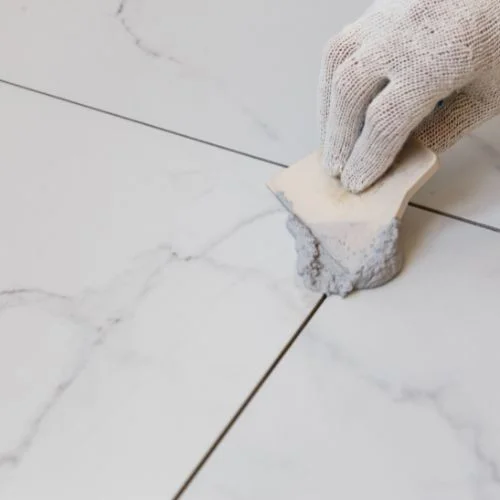
Many homeowners assume tile itself prevents water from reaching the wall assembly. In reality, grout lines and small imperfections can allow moisture to pass through over time.
A proper shower waterproofing membrane helps protect:
- Cement board
- Wall framing
- Subfloor materials
- Shower pan assemblies
- Adjacent rooms
Without effective wet area waterproofing, even a beautiful tile installation can eventually develop serious moisture problems.
Types of Shower Waterproofing Systems
Modern shower construction typically relies on two primary waterproofing methods:
Liquid Waterproofing Membranes
Liquid waterproofing products are applied with a brush, roller, or trowel and cure into a seamless waterproof barrier.
Popular options include:
- Laticrete Hydro Ban
- RedGard by Custom Building Products
Benefits include:
- Seamless coverage
- Easy application around corners
- Suitable for custom shower layouts
- Effective waterproofing protection
Many contractors use liquid waterproofing over cement board before tile installation.
Sheet Membrane Systems
Sheet membrane systems provide waterproof protection using pre-manufactured waterproof sheets installed beneath the tile.
Popular systems include:
- Schluter Kerdi
- Wedi Board systems
Advantages include:
- Consistent waterproofing thickness
- Excellent crack isolation
- Factory-controlled waterproof barrier
- Reduced curing time compared to liquid products
Many professional installers consider Schluter Kerdi one of the most reliable waterproofing systems available for tile showers.
Comparing Popular Waterproofing Products
Laticrete Hydro Ban
Laticrete Hydro Ban is a highly respected liquid waterproofing membrane known for durability and ease of use.
Benefits:
- Excellent waterproof protection
- Flexible application
- Compatible with various tile shower substrates
- Suitable for walls, floors, and niches
RedGard
RedGard is one of the most commonly used liquid waterproofing products in residential tile installations.
Benefits:
- Widely available
- Easy to apply
- Cost effective
- Suitable for many shower projects
When applied correctly, RedGard creates a reliable waterproof barrier beneath tile.
Schluter Kerdi
Schluter Kerdi is a sheet membrane waterproofing system often considered an industry standard.
Benefits:
- Fully waterproof system
- Integrated waterproof seams
- Excellent performance in wet environments
- Designed specifically for tile showers
Many professional tile installers prefer Kerdi systems for premium shower projects.
Wedi Board
Wedi Board combines the substrate and waterproofing layer into a single product.
Benefits:
- Lightweight construction
- Fast installation
- Excellent waterproof performance
- Reduced installation complexity
Because the board itself is waterproof, it simplifies many aspects of shower construction.
The Importance of the Shower Substrate
A waterproof membrane is only as effective as the substrate beneath it.
Common shower substrates include:
- Cement Board
- Wedi Board
- Foam shower systems
Cement board remains a popular choice because it provides a stable surface for tile installation while supporting various waterproofing systems.
Don’t Forget the Shower Pan
The shower floor requires special attention during waterproofing.
Common options include:
Foam Shower Pan
Pre-sloped foam shower pans offer:
- Consistent drainage
- Faster installation
- Compatibility with modern waterproofing systems
PVC Pan Liner
Traditional shower construction often uses a PVC pan liner installed beneath a mortar bed.
When installed correctly, a PVC pan liner can provide long-lasting waterproof protection.
Flood Test the Shower Pan
Before tiling begins, professional installers often perform a flood test shower pan procedure.
The process involves:
- Plugging the drain.
- Filling the shower base with water.
- Monitoring water levels for 24 hours.
A successful flood test confirms that the waterproofing system is functioning correctly before tile installation proceeds.
Common Waterproofing Mistakes
Several mistakes can compromise a shower’s waterproofing performance:
- Skipping waterproof membranes
- Improper seam sealing
- Incomplete corner waterproofing
- Incorrect drain integration
- Failing to perform a flood test
- Using drywall in wet areas
Avoiding these mistakes is critical for long-term durability.
Which Waterproofing System Is Best?
There is no single solution that works for every project.
For many homeowners:
- Schluter Kerdi is often considered one of the best sheet membrane systems.
- Laticrete Hydro Ban is widely regarded as one of the best liquid waterproofing membranes.
- Wedi Board offers an excellent all-in-one waterproof shower system.
The best waterproofing for shower before tiling ultimately depends on the installation method, project requirements, and contractor expertise.
Final Thoughts
A successful tile shower starts with proper waterproofing. Whether you choose a liquid waterproofing membrane such as Laticrete Hydro Ban or RedGard, or a sheet membrane system like Schluter Kerdi, protecting the shower structure before tiling is essential. Investing in the right waterproofing system, selecting a quality tile shower substrate, and performing a flood test can help prevent leaks, mold, and costly repairs while ensuring your shower remains durable for years to come.