
Water damage in bathroom walls often starts where homeowners cannot see it. A small leak behind shower tiles, drywall, or plumbing fixtures can gradually cause moisture buildup before visible symptoms appear. Recognizing the early signs of water damage in walls can help homeowners identify hidden leaks, prevent mold growth, and avoid more extensive repairs.
Whether the problem comes from a leaking shower, damaged waterproofing, or a hidden plumbing pipe, knowing what to look for can help protect your bathroom and the surrounding structure.
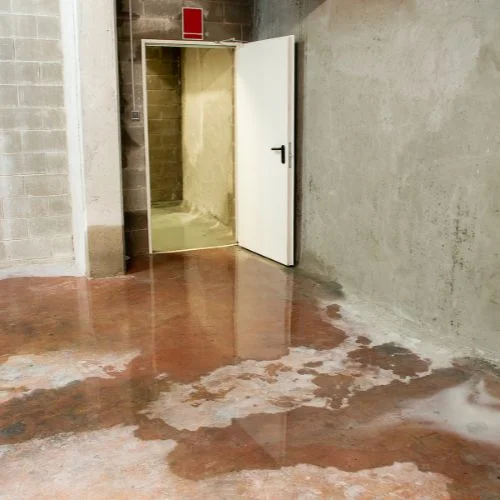
Wall Discoloration and Water Stains
Water spots on bathroom walls may appear as small yellowish or brown patches, while water streaks can form when moisture travels down the surface. These marks are especially concerning when they appear near a shower, bathtub, or plumbing connection. Even if the wall feels dry, recurring stains may indicate moisture coming from behind the finished surface.
One of the most common indicators of hidden water damage is wall discoloration. Yellow, brown, or dark stains often appear when moisture accumulates behind drywall. These water stains may start small but typically expand as the leak continues.
If you notice unexplained discoloration near a shower, bathtub, or plumbing fixture, it may be time for a thorough bathroom inspection.
Peeling Paint or Bubbling Surfaces
Excess moisture can weaken paint adhesion and cause visible damage to finished surfaces. Paint may begin peeling, bubbling, or cracking as water becomes trapped behind the wall.
This issue is especially common around showers and tubs where failed waterproofing systems allow moisture to penetrate behind the tile installation.
How to Identify Signs of Water Damage in Bathroom Drywall
Early drywall signs of water damage include slight discoloration, bubbling paint, swollen edges, and changes in the wall’s texture. As moisture continues to spread, drywall may become soft, develop cracks, or begin crumbling. Pay particular attention to areas directly beside showers and bathtubs, where leaks can remain hidden behind wall coverings.
Persistent Musty Odors
A musty smell in a bathroom often indicates hidden moisture problems. Mold and mildew thrive in damp environments, particularly inside wall cavities where airflow is limited.
Even if no visible mold is present, a persistent musty smell bathroom homeowners notice regularly should never be ignored. It may signal mold behind tile, water trapped inside walls, or an ongoing leak.
Mold and Mildew Growth
Visible mold growth is one of the clearest signs of moisture intrusion. Mold may appear around grout lines, caulk joints, baseboards, or nearby walls.
In some cases, mold behind tile develops due to moisture penetrating through cracked grout, damaged caulk, or failed waterproofing membranes. If mold repeatedly returns after cleaning, a hidden moisture source may be present.
Hollow Sound Behind Tile
Tiles should feel firmly attached to the wall. If tapping on a tiled shower wall produces a hollow sound, moisture may have weakened the bond between the tile and substrate.
This condition can occur when water damages cement board, tile adhesive, or underlying waterproofing systems. Evaluate hollow-sounding tile before more extensive damage develops.
Failed Waterproofing Systems
Other signs of water damage behind bathroom tiles include loose or shifting tiles, recurring grout cracks, darkened grout lines, and moisture appearing around tile edges. These symptoms can occur when water penetrates the tile assembly and affects the underlying substrate. However, a hollow sound or cracked grout can also result from installation problems, so these signs should be evaluated alongside other evidence of moisture.
Hidden Plumbing Leaks
Not all water damage originates from the shower itself. Pipes concealed within bathroom walls can develop slow leaks that remain unnoticed for months.
A silent leak may cause:
- Increased water bills
- Damp drywall
- Mold growth
- Structural damage
- Wood rot
Using a moisture meter can help detect elevated moisture levels behind finished surfaces without opening the wall.
Structural Damage Risks
When water damage remains untreated, it can eventually affect structural components within the wall. Wood framing may weaken, subfloors can deteriorate, and extensive repairs may become necessary.
Early detection is the best way to minimize repair costs and preserve the integrity of your home.
Water Damage on the Wall Next to a Shower
Water damage on a wall next to a shower can develop when water escapes through deteriorated grout, damaged caulk, failed waterproofing, or leaking plumbing connections. Homeowners may notice discoloration, peeling paint, swollen baseboards, or a musty smell on the opposite side of the shower wall.
Check whether the affected area becomes worse after showering. Repeated moisture exposure near the same wall may indicate a problem with the shower enclosure or plumbing. However, surface stains alone cannot confirm the source of a leak, so further inspection may be necessary.
When to Schedule a Bathroom Inspection
If you notice any of the warning signs above, a professional bathroom inspection may be worthwhile. Home inspectors and water damage specialists often use moisture meters, thermal imaging equipment, and visual assessments to identify hidden leaks and moisture problems.
Early diagnosis can prevent larger repairs and may also simplify an insurance claim if covered damage is discovered.
Final Thoughts
The signs of water damage behind a bathroom wall are often subtle at first but can quickly develop into serious issues if ignored. Wall discoloration, peeling paint, soft drywall, musty odors, mold growth, and hollow sounding tile are all indicators that moisture may be present behind finished surfaces.
By addressing bathroom leaks, failed waterproofing, and hidden moisture problems early, homeowners can avoid costly repairs, reduce the risk of mold, and protect their home’s structure for years to come.
Frequently Asked Questions: Water Damage Behind Bathroom Walls
How can I test for moisture behind a bathroom wall without tearing down drywall?
You can use a non-invasive pinless moisture meter (which uses electromagnetic signals to detect moisture up to 3/4-inch deep behind tile and sheetrock) or a thermal imaging infrared camera. Infrared cameras map cold thermal signatures caused by evaporative cooling where moisture pools inside wall framing. Professional contractors also utilize fiber-optic borescopes inserted through tiny, inconspicuous 1/4-inch holes.
What does a hidden water leak behind a bathroom wall smell like?
A hidden wall leak generates a stale, earthy, and pungent odor similar to rotting wood, wet cardboard, or a damp forest floor. Because soaps and exhaust fans mask odors during daytime use, the smell is most noticeable in the morning after the bathroom has been closed overnight, or after running hot water when ambient humidity warms the wall cavity.
Can a leak behind a bathroom wall cause unusually high water bills?
Yes, if the leak originates from a pressurized water supply line feeding the shower mixer valve, sink faucet, or toilet fill line. Pressurized leaks flow continuously 24 hours a day. Conversely, drain line leaks or waterproofing failures only leak when fixtures are in use and do not affect the water meter. To test, turn off all faucets and check if your water meter’s leak dial is actively moving.
How fast does toxic mold grow inside wet bathroom wall cavities?
Mold spores germinate within 24 to 48 hours of exposure to standing moisture. In dark, warm wall cavities with cellulose food sources (drywall paper facing and wood studs), active colonies of dangerous molds like Stachybotrys chartarum and Aspergillus establish dense networks in less than a week, releasing mycotoxins into HVAC ventilation channels.
Who should I call first: A plumber or a water damage restoration specialist?
If you suspect an active pipe leak (water meter spinning, hissing pipes, or sudden gushing water), call a licensed plumber first to shut down and repair the source. If the issue involves spongy walls, swollen baseboards, or mold from a slow chronic leak or failed tile pan, contact a certified restoration contractor or bathroom remodeling specialist to remediate mold, dry framing, and rebuild the wet wall.